A day hike already requires organisation. Adding a bivouac means more careful preparation, suitable equipment, and precise weight management.
Is your gear sufficient for spending a night outdoors? Have you anticipated the temperature drop after sunset? Is your food suitable for two days of physical effort?
An overnight hiking trip should never be improvised. Here is a complete checklist to prepare your backpack efficiently.
The Basics: Day Hiking Equipment
Before thinking about bivouac gear, start with standard hiking equipment.
Hiking Clothing
Breathable T-shirt
Shorts or lightweight hiking trousers
Windproof or waterproof jacket
Hat or cap
Multifunctional headband or buff
Sunglasses
Hiking shoes adapted to the terrain
Hydration and Protection
Water bottles or hydration system
Sunscreen
Lip balm
Food for the Day
Snacks or fruit purée
Sandwich
Paper towels
Trash bag
Navigation and Useful Equipment
Guidebook or maps
Watch (ideally with GPS)
Camera with protective case and strap
For Snow or Cold Temperatures
Gloves or snow gloves
Warm neck gaiter
Beanie
High warm socks
Thick trousers
Gaiters
Warm jacket and insulated down jacket
Prepare the Day Before
Chill your water
Charge your phone
Charge your watch
Charge your camera
Check the weather and route
This basic gear is the minimum required for any hike. Bivouac equipment is added on top of it.
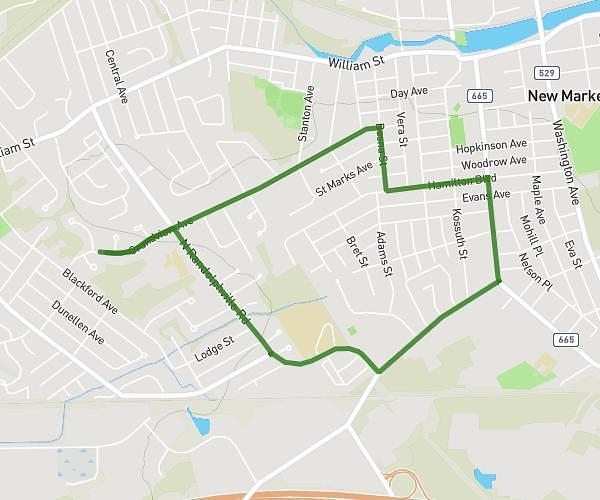
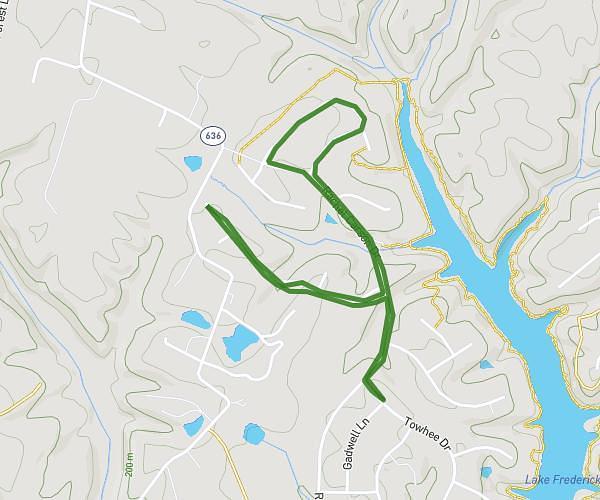
Plan your own route
MapPlanner helps you calculate distances, elevation, duration and plan your hikes, runs and bike rides on an interactive map.
- Automatic distance & elevation calculation
- Topographic, satellite maps
- GPX/KML export for your GPS
- Real-time GPS tracking
Specific Gear for a Bivouac
A bivouac requires autonomy, temperature management, and good organisation.
Additional Camp Clothing
Once the effort stops, body temperature drops quickly.
Long-sleeve T-shirt
Packable down jacket
Comfortable trousers
Spare underwear
Warm high socks
Merino leggings (ideal for sleeping if nights are cold)
These clothes help prevent nighttime cold and improve recovery.
Hygiene and Safety
Toilet paper
Mini soap or wipes
Small towel
Headlamp
Standard plasters and blister plasters
Complete first aid kit
A headlamp is essential because darkness falls quickly and moving around without light becomes risky.
Cooking and Food Autonomy
Knife and fork
Camping stove suitable for bivouac
Choose simple, lightweight, and functional cooking equipment.
Sleeping System: The Most Important Element
Sleep quality determines how well you recover for the second day of hiking.
Sleeping bag suitable for expected temperatures
Sleeping bag liner if night temperatures drop below 10°C
Inflatable or foam sleeping mat
Compact pillow
Tent
Choose your sleeping bag according to the season and altitude.
Organising Meals for a Bivouac
Food should be energy-dense, easy to carry, and simple to prepare.
Snack ideas
Fruit purée
Energy bars (almonds, dried fruit)
Dry sausage
Trail mix
Dinner
Rice salad
Sandwich (bread, egg, tomato, gherkins, sun-dried tomatoes, mayonnaise)
Chocolate cake or banana bread
Breakfast
Eggs to cook (for example two eggs per person)
Always adapt quantities to the length of the hike and prioritise compact, high-calorie foods.
Key Points to Remember
A bivouac hike requires:
Careful backpack weight management
Anticipation of weather conditions
Well-planned food supplies
Careful organisation of equipment
Every item should have a clear purpose. The goal is not to carry more, but to carry smarter.
A well-prepared backpack guarantees autonomy, safety, and comfort. When properly planned, a bivouac becomes a natural extension of the hiking experience rather than a logistical challenge.